
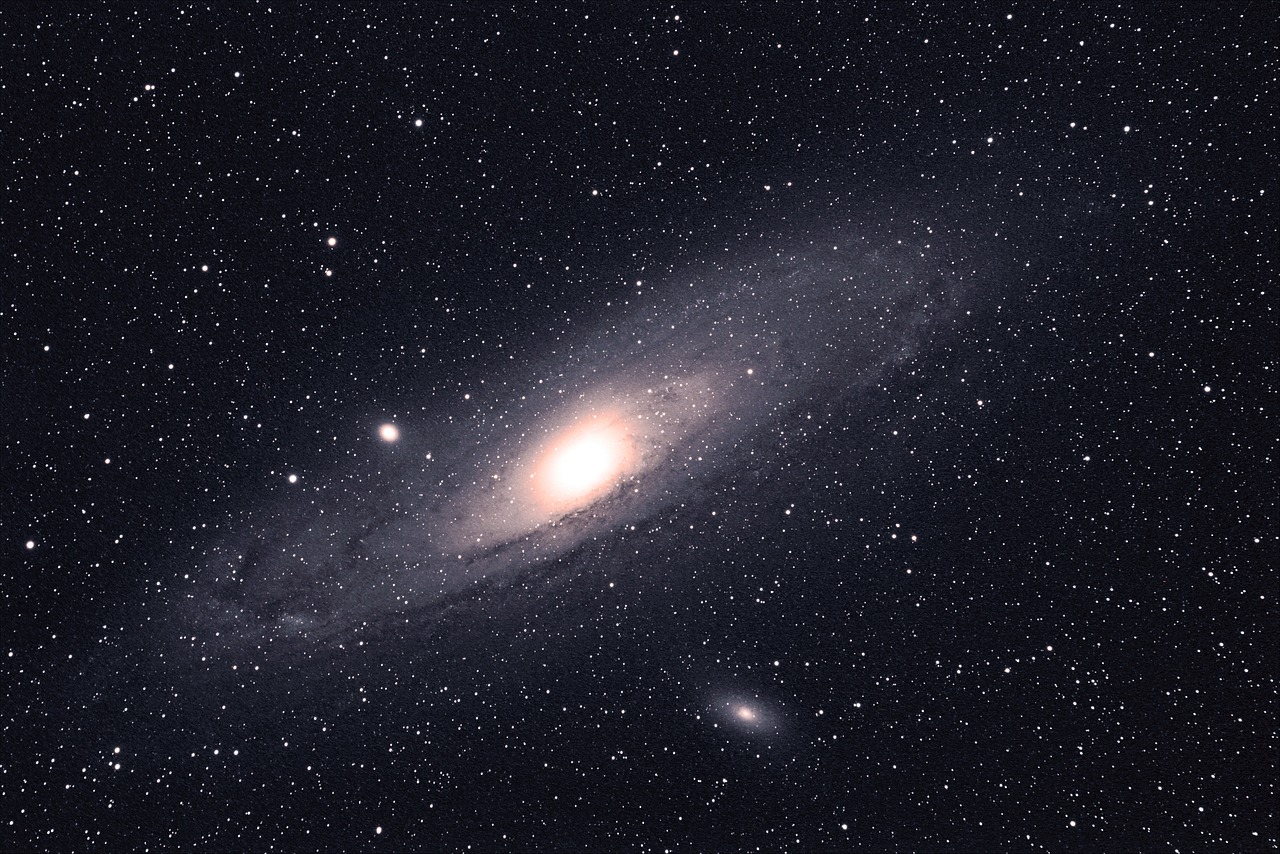
In the vast expanse of the cosmos, the rhythms of the universe unfold in a mesmerising symphony of orbits and rotations. From the daily spin of the Earth to the grand journey of our solar system around Sagittarius A*, each movement carries with it the echoes of cosmic history and the promise of future wonders. Join us as we delve deeper into the mysteries of the cosmos, exploring the profound interplay between orbits, entropy, and the cosmic order.
A Day, A Year, and Beyond:
As we gaze up at the night sky, it’s easy to forget the intricate dance of celestial bodies that shapes our existence. From the gentle rotation of the Earth, which gives rise to the cycle of day and night, to the annual orbit around the Sun, which marks the passing of the seasons, each movement plays a vital role in the cosmic symphony. But our journey extends far beyond the confines of our solar system. Our entire galaxy, the Milky Way, is in motion, with each star and planet tracing its own graceful path around the galactic centre.
Galactic Orbits: Humanity’s Place in the Cosmos:
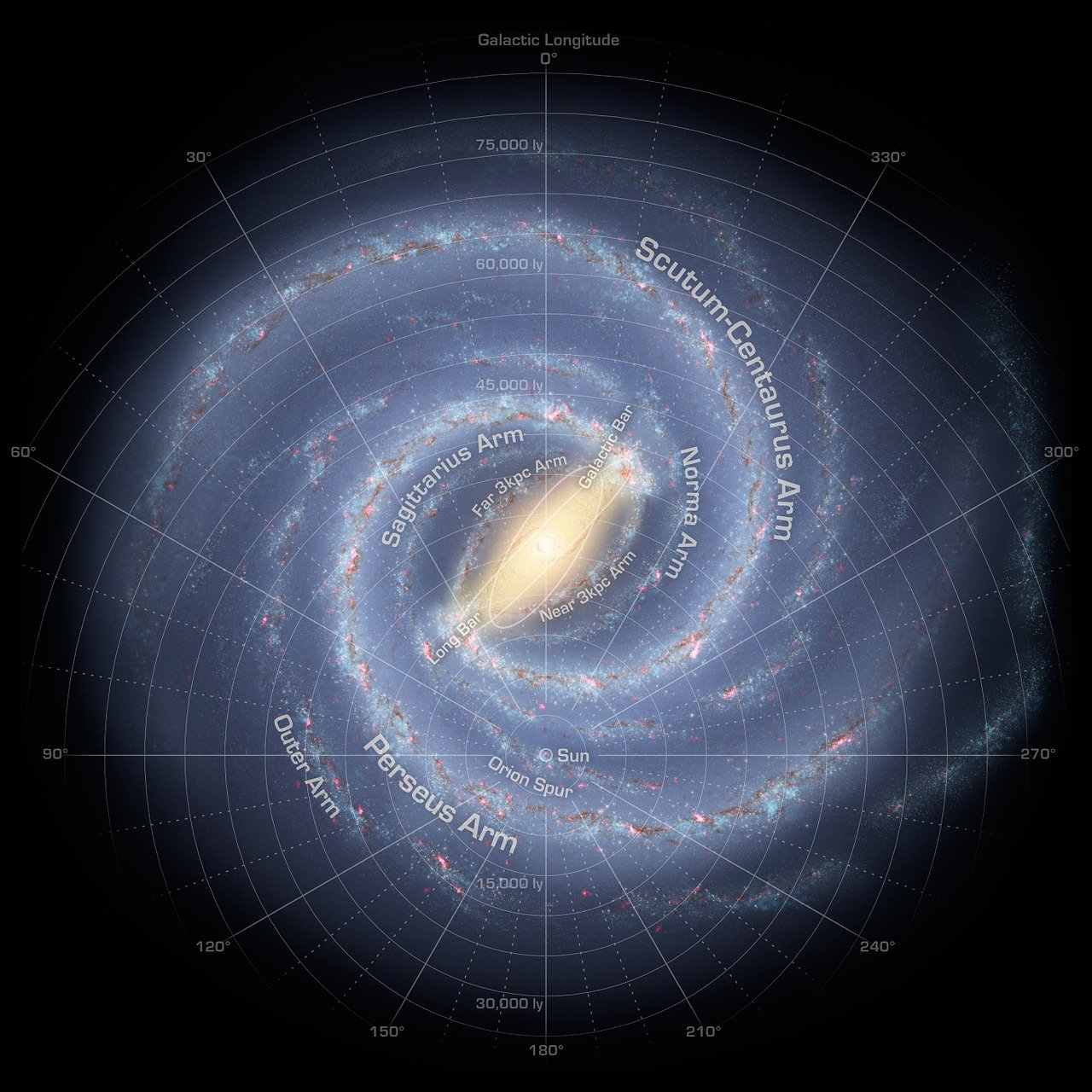
To understand the vastness of cosmic time scales, consider this: it takes our solar system approximately 225-250 million years to complete one full orbit around the galactic centre. This period, known as a galactic year, is a staggering testament to the immensity of the cosmos. Humanity, in its relatively short existence, has barely scratched the surface of this cosmic journey. The dinosaurs, who roamed the Earth millions of years ago, only saw a fraction of a galactic year. Yet, amidst the ebb and flow of life on Earth, there are survivors who have witnessed the passage of time on a cosmic scale. Both the humble jellyfish and Turtle, have ancient lineage dating back hundreds of millions of years and have endured to see galactic revolutions. Even the Sun itself has journeyed through the vastness of the Milky Way for approximately 20-25 galactic years, making it a young adult within it’s cosmic family.
Entropy and the Cosmic Order:
At the heart of the cosmic dance lies the principle of entropy, a fundamental concept in physics that describes the tendency of systems to move toward states of higher disorder. In the vast expanse of the universe, entropy manifests itself in countless ways, from the random scattering of cosmic dust to the chaotic dance of particles in the void.
Consider a baker in a bustling kitchen: when the cake batter is poured into a pan without a mold, it spreads out haphazardly, exhibiting high entropy with no clear structure or form. However, when the baker pours the batter into a cake tin, the system transitions to a state of low entropy. The ordered arrangement within the cake tin provides structure and consistency, resulting in a beautifully formed cake with uniform shape and texture.
Similarly, in the cosmic arena, we find a delicate balance between entropy and order. From the swirling chaos of cosmic debris to the majestic sweep of galaxies, there exists a cosmic tapestry of structure and organisation. At the heart of each galaxy lies a supermassive black hole, a gravitational giant that anchors the surrounding stars and matter in a stable orbit.
Surrounding these cosmic anchors are billions of stars, each one a radiant beacon in the vastness of space. These stars, in turn, exert their gravitational influence, shaping the orbits of planets and moons within their celestial domains. But the dance of order and chaos extends beyond galaxies and our macro environment. At the atomic level, within the fabric of matter itself, we witness another cosmic ballet. Here, electrons twirl around atomic nuclei, bound by the fundamental forces of nature. Each atom, like a tiny solar system, exhibits its own dance of gravitational attraction and orbital motion, contributing to the intricate web of cosmic order.
It’s a cosmic ballet, where order emerges from the chaos of the universe, guided by the invisible hand of gravity… But why? Who is the galactic baker that poured the batter filled with elements into the cosmic gravity cake tin?
In this grand cosmic kitchen, we find echoes of the baker’s expertise, mirrored on a scale that stretches across the expanse of space and time. And as we gaze up at the stars, let us marvel at the delicate balance of entropy and order that shapes the cosmos, knowing that we are but fleeting participants in an eternal symphony of creation and destruction.

Conclusion:
As we ponder the mysteries of the cosmos, let us marvel at the delicate balance between order and chaos, entropy and structure. From the gentle spin of the Earth to the majestic sweep of the Milky Way, each movement reminds us of our place in the vast and wondrous universe. And as we gaze up at the stars, let us embrace the beauty and complexity of the cosmic dance, knowing that we are but fleeting participants in an eternal symphony of creation and destruction.
Wishing you star-filled nights, Kairo
Cassiotrio Team