

Hello aspiring astronomers! My name is Donell, and I am one of the co-founders of CassioTrio. For my first blog, I wanted to talk about reading! I know, I know… “BORING!”. Trust me, I get it. Reading can often feel tedious, but… it doesn’t have to be. All you have to do is find a book that speaks to you and your interests, and then reading will start to feel less like a chore and more like… not a chore. A DELIGHT! … too much?
The fact that you’re here on the CassioTrio website shows you have an interest in astronomy: that’s a great start. And the fact that you’ve made it past the first paragraph of this blog shows that you have the mental fortitude and attention span that reading requires: now we’re cooking! Now all we need is the last ingredient. The last piece of the puzzle. The last star in the constellation. All you need is a book about stargazing.
There are plenty of great books out there for aspiring astronomers and stargazers, but I believe that ‘The Art of Stargazing’ is the perfect book to start with. Written by space scientist and broadcaster Dr Maggie Aderin-Pocock, ‘The Art of Stargazing’ is the ultimate guide to the night sky. As the title suggests, ‘The Art of Stargazing’ explores how stargazing is more than just science, it’s also spectacle, history, culture and mythology all in one: it’s art.
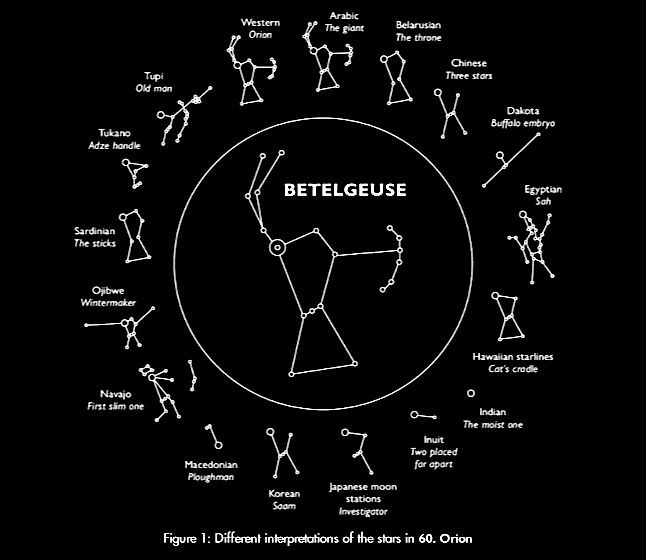
‘The Art of Stargazing’ has 5 chapters in which Dr. Maggie goes through all the fundamental aspects of stargazing. After giving an introduction about stars and constellations in chapter 1, chapter 2 delves into the complex science of stars in a way that is easily accessible for those of us without a PhD in astrophysics. Chapter 3 gives an overview of how constellations and stars are named. Chapter 4 tells you everything you need to know for when you want to go out and start observing the night sky for yourself. And finally, we have chapter 5 which provides an in-depth profile of the 88 officially recognised constellations. Each profile includes a section on when and where to observe the constellation, its brightest stars, notable space objects within its boundaries, associated meteor showers, mythologies surrounding it, as well as any extra interesting facts.
‘The Art of Stargazing’ provides an insightful overview of stargazing, making it the ultimate tool for aspiring astronomers to unlock the wonders of the night sky and expand their horizons to the horizons of our universe. If you give this book a go, I hope you enjoy it. And if you have any good book recommendations for astronomers, feel free to get in contact with the CassioTrio team, we’d love to hear from you.
Yours astronomically,
Donell
Cassiotrio Team